Introduction:
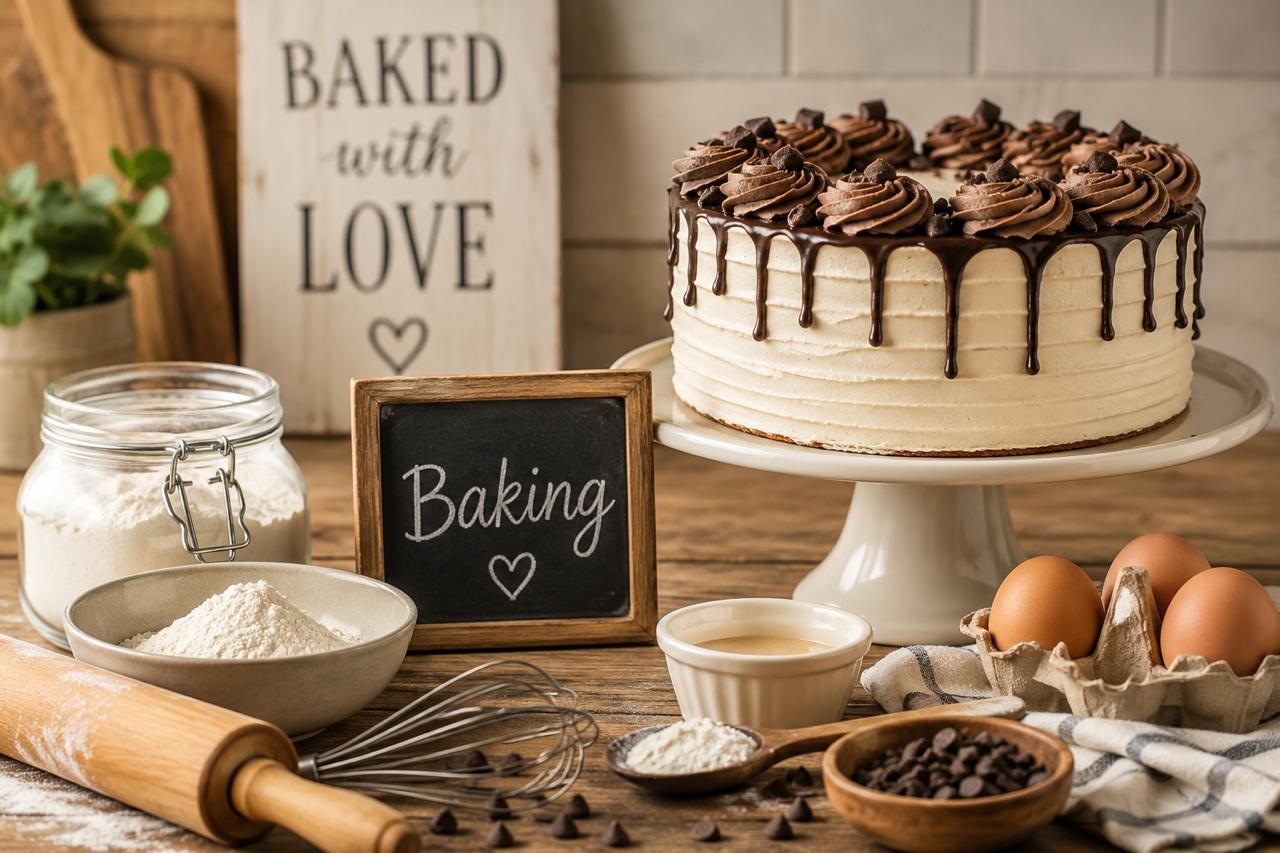
Baking is one of the most popular and rewarding cooking methods in the world. From warm loaves of bread to soft cakes, flaky pastries, and crispy cookies, baking transforms simple ingredients into comforting and delicious foods. For many people, baking is not just about making food — it is about creativity, precision, and enjoying the process.
Although baking may seem like one single technique, there are actually several main types of baking, and each one has its own purpose, method, and results. Some types focus on creating a soft and airy texture, while others aim for crisp layers or a golden crust. Understanding these baking types can help beginners improve their skills and help experienced bakers get better results every time.
In this guide, we will explore the main types of baking, how they differ, and what makes each one special.
What Is Baking?
Baking is a cooking method that uses dry heat, usually inside an oven, to cook food. During baking, heat surrounds the food and cooks it evenly from the outside in. This process is used for both sweet and savory dishes, and it often changes the texture, flavor, and structure of the ingredients.
Most people associate baking with bread, cakes, cookies, and pastries, but it can also be used for casseroles, pies, savory tarts, and other dishes. The method works because heat causes ingredients such as flour, eggs, sugar, butter, and leavening agents to react in specific ways. These reactions create rise, browning, crispness, or softness depending on the recipe.
What makes baking unique is that it often requires careful measurement and timing. Even small changes in temperature or ingredient ratios can affect the final product. That is why baking is often described as both a science and an art.
Bread Baking
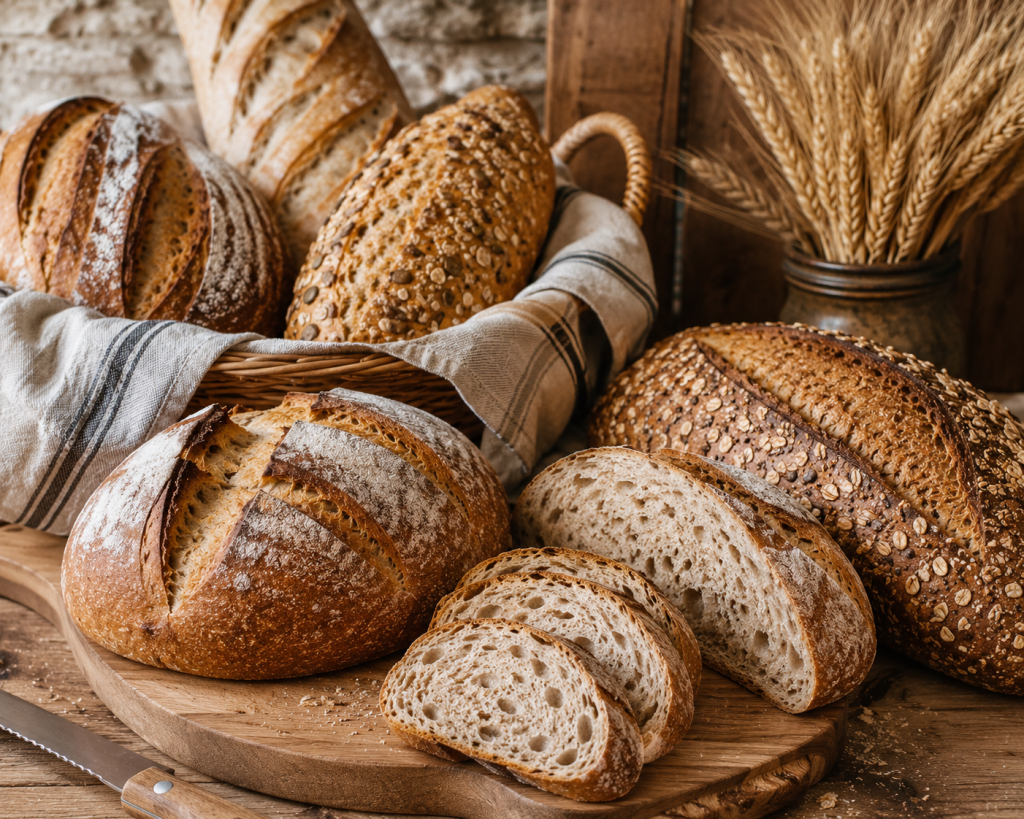
Bread baking is one of the oldest and most important forms of baking. It involves combining flour, water, yeast, salt, and sometimes sugar, milk, or fat to create dough that rises before baking. Yeast plays a key role because it ferments the dough and produces gas, which helps the bread become light and fluffy.
There are many different types of bread baking, from simple sandwich loaves to artisan sourdough and soft dinner rolls. Some breads are kneaded heavily to develop gluten, while others are mixed more gently. The baking process also affects the crust, crumb, and overall texture of the loaf.
Bread baking is loved because it creates food that is both practical and comforting. Freshly baked bread has a warm aroma, a satisfying texture, and a flavor that is hard to match with store-bought versions. It is also one of the best places for beginners to learn patience and precision in baking.
Cake Baking
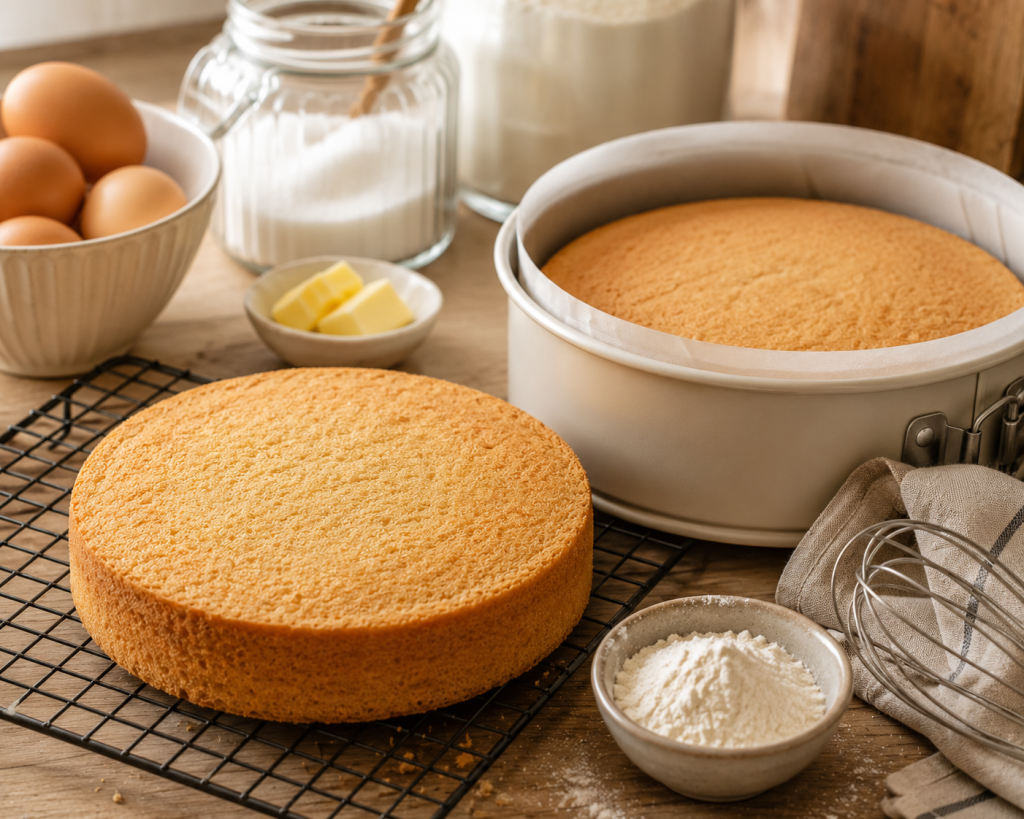
Cake baking is one of the most popular types of baking because it produces soft, sweet, and celebratory desserts. Cakes are usually made with ingredients such as flour, sugar, eggs, butter or oil, milk, and a leavening agent like baking powder or baking soda. These ingredients work together to create a light and tender crumb.
Unlike bread, cakes are not meant to be chewy or dense. Instead, the goal is usually a soft texture with even rise and balanced sweetness. Different mixing methods can create different cake styles. For example, whipping eggs and sugar together can produce a lighter sponge cake, while creaming butter and sugar can create a rich butter cake.
Cake baking is often used for birthdays, weddings, holidays, and other special occasions. It also allows a lot of creativity because cakes can be layered, filled, frosted, or decorated in many ways. From simple tea cakes to elaborate celebration cakes, this type of baking remains one of the most loved around the world.
Pastry Baking
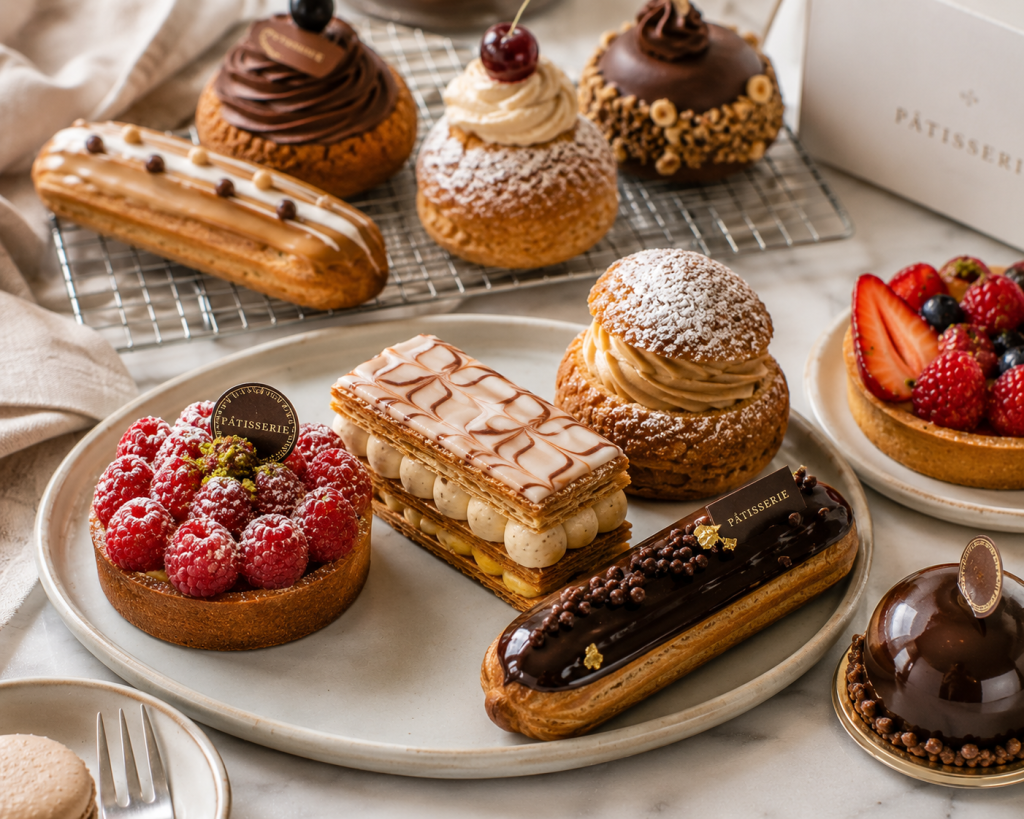
Pastry baking is a different style of baking that focuses on doughs made with flour and fat, such as butter or shortening. The goal is often to create a texture that is flaky, crisp, tender, or light. Pastries can be sweet or savory, and they are commonly used in pies, tarts, turnovers, puff pastries, and Danish-style baked goods.
What makes pastry baking special is the way fat interacts with flour. When handled correctly, the fat creates layers or a delicate texture. Some pastries, like puff pastry, require many folds and careful preparation to create hundreds of thin layers. Others, like shortcrust pastry, are simpler but still need gentle handling to avoid toughness.
Pastry baking is popular because it produces elegant and versatile foods. A pastry can be filled with fruit, cream, meat, vegetables, or custard, depending on the recipe. It is a great example of how baking can be both practical and creative.
Cookie and Biscuit Baking
Cookie and biscuit baking is often one of the easiest and fastest types of baking. This category includes small baked treats made from dough or batter that are shaped and baked until set. Depending on the recipe, cookies and biscuits can be soft, chewy, crisp, or crumbly.
Cookies often contain flour, sugar, butter, eggs, and flavorings such as vanilla, chocolate chips, nuts, or spices. Biscuits, depending on the region, may be sweeter or more savory, but they are usually quick to prepare and bake. Because they are smaller than cakes or bread, they usually need less time in the oven.
This type of baking is especially popular because it is simple and flexible. You can make a batch of chocolate chip cookies for a snack, buttery biscuits for tea, or oatmeal cookies for a healthier option. For beginner bakers, cookie baking is a great way to practice measuring, mixing, and timing without too much pressure.

Pie and Tart Baking
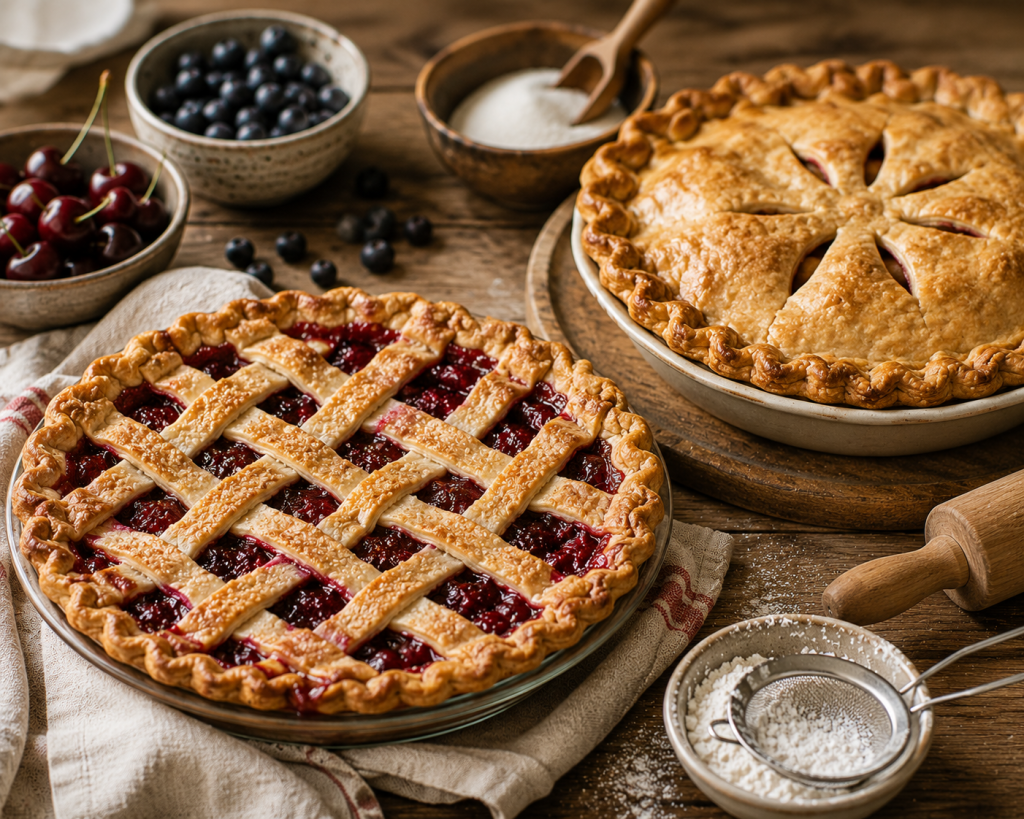
Pie and tart baking combines a baked crust with a filling, which can be sweet or savory. Pies usually have a deeper filling and may be covered with a top crust, while tarts often have shallower fillings and a more open top. Both are popular in home baking and professional kitchens.
The crust is an important part of pie and tart baking. It may be made from flour, butter, water, and salt, and the goal is often to create a tender but sturdy base that supports the filling. Fillings can include fruit, custard, chocolate, nuts, vegetables, or meat. Popular examples include apple pie, pumpkin pie, lemon tart, and quiche.
This type of baking is loved because it combines texture and flavor in one dish. A crisp crust with a soft filling creates contrast and balance. Pie and tart baking also allows a lot of seasonal creativity, especially when fresh fruit or vegetables are available.
Muffin and Quick Bread Baking
Muffin and quick bread baking is another important category. These recipes do not usually rely on yeast. Instead, they use baking powder or baking soda to rise quickly in the oven. This makes them faster and easier than yeast-based breads.
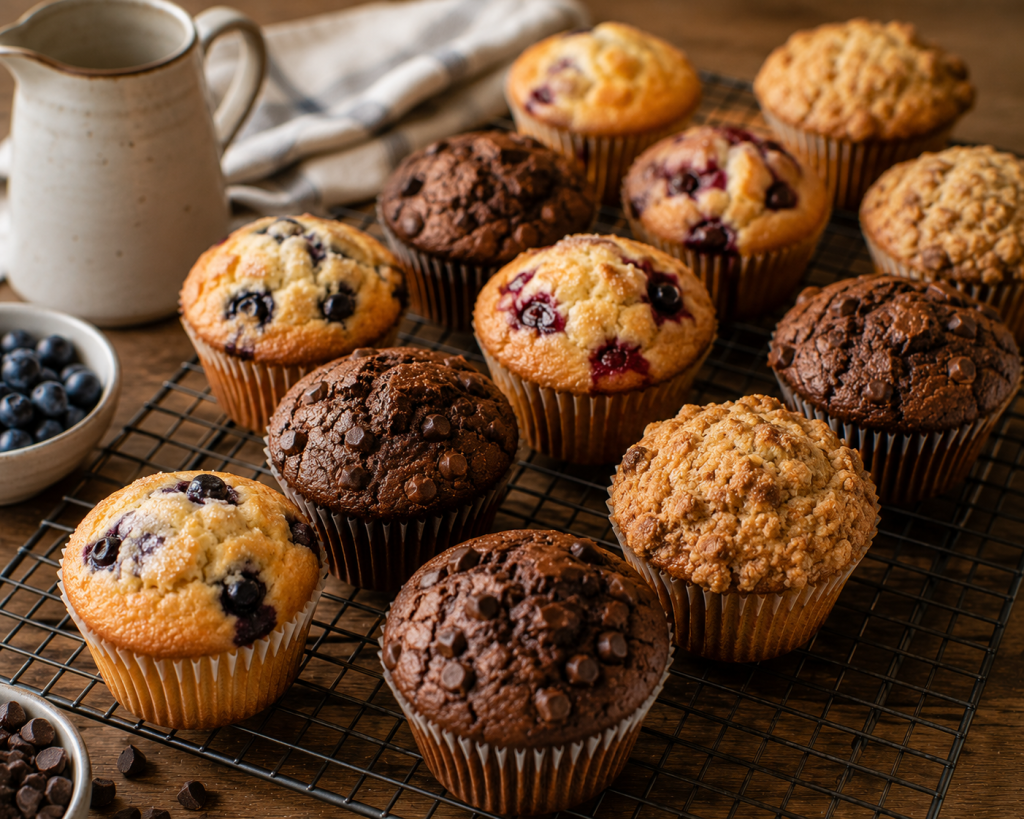
Muffins are often sweet, soft, and portioned into individual servings. They may include fruits, chocolate, nuts, or spices. Quick breads, such as banana bread or zucchini bread, are baked in loaf pans and have a texture that is denser than cake but softer than traditional bread.
This type of baking is very popular for breakfast, snacks, and casual baking. It is ideal for busy home bakers because it does not require long rising times. The recipes are usually simple, forgiving, and adaptable.
Confectionery and Sweet Baking
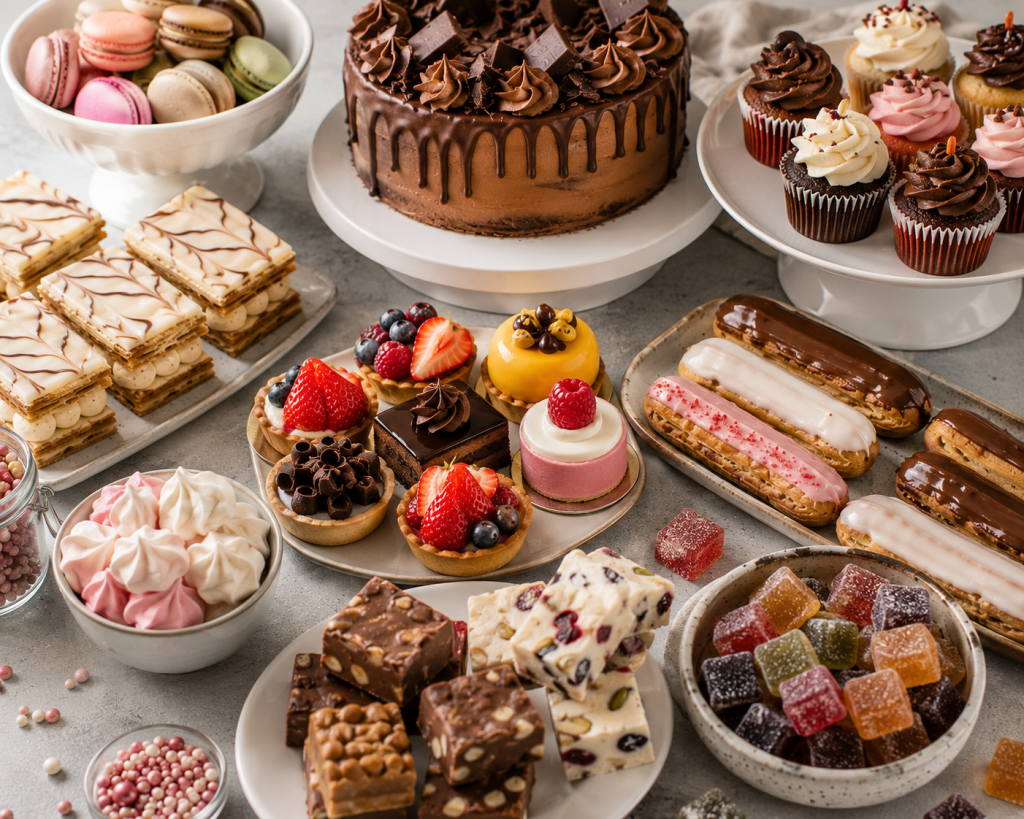
Confectionery and sweet baking includes a wide range of desserts such as brownies, bars, cupcakes, and some tray bakes. These items are usually rich, sweet, and designed for easy serving. They are often baked in pans, sliced into portions, and shared with others.
Brownies are a great example of this category because they can be fudgy or cakey depending on the ingredient balance. Cupcakes are mini cakes that are baked in individual cups and often topped with frosting. Bars may contain layers of dough, fruit, chocolate, or nuts, making them both convenient and versatile.
This type of baking is especially popular for parties, lunchboxes, and everyday treats. It offers endless variations and is often one of the most fun areas of baking for beginners and experienced bakers alike.
How Baking Methods Affect Results
While the type of baked good matters, the baking method also plays a big role in the final result. Different ovens and baking styles can change how food looks, tastes, and feels. For example, conventional baking uses steady heat, while convection baking uses a fan to circulate air more evenly.
Temperature is also important. A high temperature can help create a crisp crust or quick rise, while a lower temperature may be better for gentle cooking and even texture. The size and shape of the pan, the amount of batter or dough, and the placement in the oven can also affect the outcome.
Understanding these factors helps bakers avoid common problems such as underbaking, overbaking, sinking, or uneven browning. Good baking is often about controlling these details carefully.
Tips for Better Baking
To get better results, it helps to follow a few simple baking habits.
- Measure ingredients carefully.
- Preheat the oven before baking.
- Use fresh ingredients, especially yeast and leavening agents.
- Do not overmix batters unless the recipe says otherwise.
- Follow the correct baking time and check for doneness properly.
- Use the right pan size and material for the recipe.
Even small improvements can make a big difference. Baking is easier when you develop consistency and pay attention to the details. Over time, you begin to understand how different ingredients and techniques work together.
Conclusion
Baking includes many different styles, and each one creates something unique. Bread baking gives us soft loaves and rolls, cake baking creates sweet and airy desserts, pastry baking produces flaky and delicate treats, and cookie or biscuit baking offers quick, simple snacks. Pie, tart, muffin, and sweet baking methods add even more variety to this delicious world.
If you understand the main types of baking, you can choose the right method for the food you want to make and improve your results in the kitchen. Whether you are baking for your family, for a celebration, or just for fun, each type has its own charm and purpose. With practice, patience, and the right approach, baking becomes not only easier but much more enjoyable.